
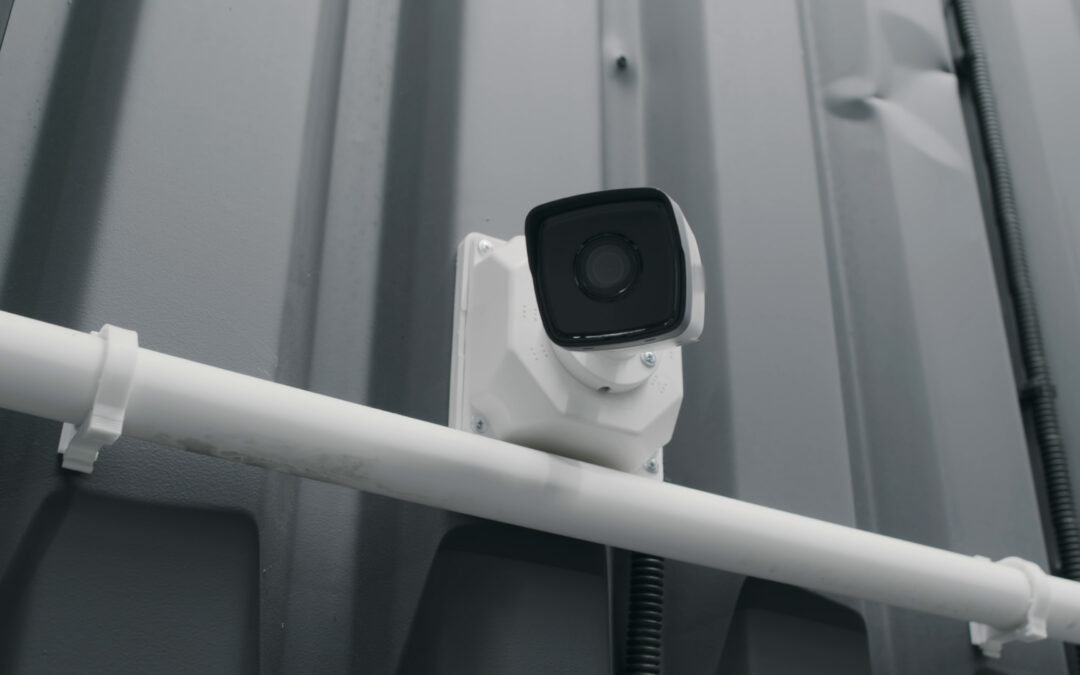
If you’ve ever watched a crime show, you’ve seen the moment:
“Enhance… enhance… enhance.”
Then—boom—perfect face, crisp license plate, and a clear reflection in someone’s eyeball.
In the real world, security cameras are amazing tools, but they’re not magic. And the biggest reason people get disappointed isn’t the camera they bought—it’s the expectation they brought with it.
So let’s talk like normal humans.
Here’s what cameras can do today, what they still can’t do, and what actually determines whether you get a usable image when you need it.
What Cameras Can Do Really Well Today
1) Give you visibility and awareness
Modern systems can let you check your home or business from anywhere, and they’re great at answering questions like:
- “What happened?”
- “When did it happen?”
- “Which direction did they go?”
That alone is a big deal.
2) Provide smart alerts that reduce “scroll fatigue”
A good setup can alert you for meaningful events like:
- a person crossing a line
- a vehicle entering a driveway
- activity near a gate or back door
Instead of pinging you for every shadow, tree branch, and moth with a death wish.
3) Capture usable evidence—
when designed correctly
And that “when” matters. The best results come from design + placement, not the spec sheet.
What Cameras Cannot Do (No Matter What the Box Says)
1) Identify a face from 40 feet away at night
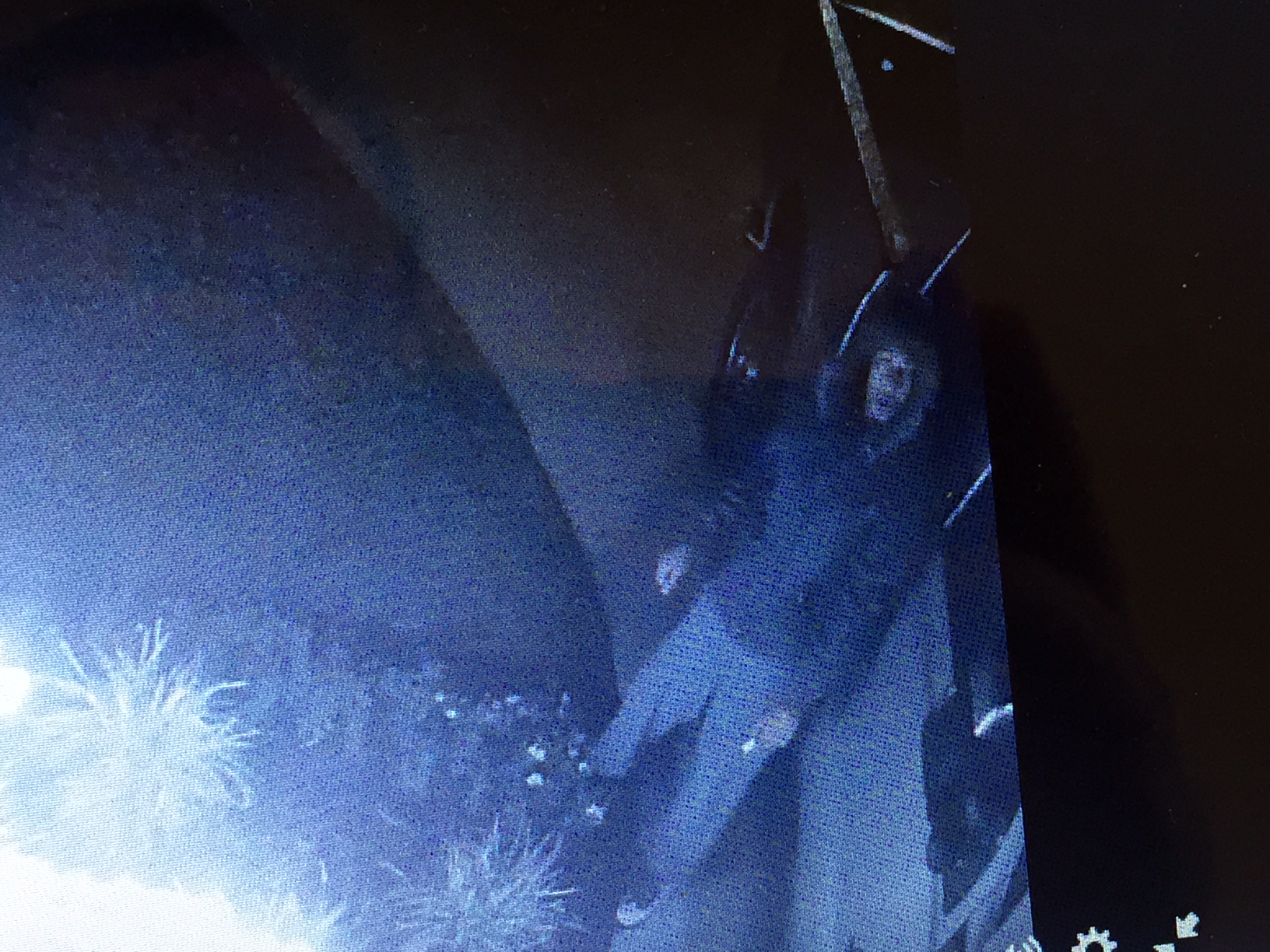
At night, faces are hard because:
- people are moving
- light is limited
- the camera increases exposure (which adds blur)
- headlights and porch lights create glare
Could it get a face? Absolutely—if the camera is close enough and lit properly.
But “zooming in later” doesn’t create detail that wasn’t captured.
2) Read a license plate reliably from a general-purpose camera
Plates at night are one of the most misunderstood things in security.
Regular cameras are designed to show the scene.
License plates require:
- specific angles
- controlled lighting
- correct shutter settings
- often dedicated LPR/plate cameras
If plates are important to you, we design for plates—not “hope for plates.”
3) See through glare, fog, heavy rain, or dirty lenses
A camera can’t overcome physics. If the lens is covered in water spots, spider webs, or pollen, the image suffers.
(And yes—spiders absolutely love building webs right in front of infrared lights. They’re tiny contractors.)
The Real Key: The Right Camera for the Right Job
When we design a system, we think in simple terms:
What are you trying to accomplish?
Most customers want one of these outcomes:
- Deterrence – make someone choose an easier target
- Awareness – know what’s happening in real time
- Identification – clearly see who it is
- Documentation – record events for review or insurance
The mistake is trying to get all four goals from one camera mounted in one corner of the house.
Placement Beats Megapixels (Almost Every Time)
If you remember one thing from this post, make it this:
Distance is the enemy of detail.
A $400 camera placed too far away gives you worse results than a $150 camera positioned correctly.
We typically recommend:
- Entry cameras close enough to capture faces (not just the top of a hat)
- Driveway coverage that shows direction and behavior
- Backyard/gate coverage with lighting that doesn’t blind the lens
- Critical zones (safe, office, storage) with tight angles
The Night-Time Truth: Lighting Is Everything
Cameras need light—period.
If your property is dark, you have 3 realistic options:
- Add lighting (best solution)
- Use cameras with better low-light performance
- Use IR (infrared) and accept the limitations (reflection, bugs, webs)
A clean lighting plan often makes your entire system look 10x better.
A Quick Reality Check: “Zoom” Isn’t a Superpower
Here’s a simple way to think of it:
Digital zoom = cropping.
If your camera captured a small face in the corner of the frame, zooming just makes a bigger blurry face.
If you want zoom-like results, you design for it using:
- closer placement
- narrower field-of-view lenses
- higher resolution where it matters
- and sometimes multiple cameras instead of one
The “Best” System Is the One Designed for Your Property
Every house and business is different:
- Lighting varies
- Entry points vary
- Trees and reflections vary
- Street angles vary
- Wi-Fi and network quality varies
That’s why cookie-cutter camera kits often disappoint.
A quick walkthrough and design plan prevents expensive regret later.
Want a System That Actually Delivers?
If you tell us what you want—deterrence, awareness, identification, plates—we’ll tell you what it takes to accomplish it and where to place it.
Call Intec for a free camera placement walkthrough.
We’ll help you set a system up the right way the first time.

[846755]supplies professional anti-violence equipments and solutions for the whole world with strong and perfect production capacity. anti-violence.org
[4004]é confiavel লগইন এবং বিকাশ ডিপোজিট স্লট গেম গাইড,é confiavel কি না জানতে এখানে দেখুন। সহজেই é confiavel login করে বিকাশ দিয়ে ক্যাসিনো ডিপোজিট করুন এবং সেরা অনলাইন স্লট গেমগুলো খেলুন। visit: é confiavel
https://addlinks.pro/iKOAh
https://addlinks.pro/ypuYr
[1878]tmtplay login ph | legit na online slots via gcash,Gamitin ang tmtplay login ph para sa mabilis na access. Mag-tmtplay app download na at subukan ang legit online slots gcash. Register na at maglaro! visit: tmtplay
https://addlinks.pro/Iovkg
https://addlinks.pro/OL7wG
https://addlinks.pro/TnLiJ
[6913]jurassicslots লগইন ও অ্যাপ ডাউনলোড | বিকাশ স্লট গেম,jurassicslots login করুন এবং অ্যাপ ডাউনলোড করে বিকাশ দিয়ে অনলাইন স্লট গেম খেলুন। সহজ রেজিস্ট্রেশন ও বোনাস অফারে আজই জয়েন করুন। visit: jurassicslots
Следите за интересными событиями игровой индустрии вместе с нашим разделом новостей. Здесь мы разбираем важные обновления, первые детали, даты выхода игр, патчи, дополнения и события киберспорта. Читайте без задержек о рейтинг казино-онлайн для ПК, консолей и мобильных устройств: от крупных блокбастеров до необычных инди-игр. Мы рассказываем о том, что действительно обсуждают игроки, какие новинки готовятся к релизу и какие изменения уже появились в любимых играх.
[114]jili63 login ph – download APK at slots na may GCash payout,Mag-jili63 login ph na para makuha ang pinakamalaking bonus sa slots. I-download ang APK at i-enjoy ang mabilis na casino payout via GCash. Sali na! visit: jili63
[6215]tr99 – Đăng nhập, tải app và chơi nổ hũ đổi thưởng,Truy cập tr99 để trải nghiệm game nổ hũ đổi thưởng hấp dẫn, tìm hiểu cách chơi baccarat online và nạp tiền qua Momo casino nhanh chóng. Đăng ký ngay hôm nay. visit: tr99
https://addlinks.pro/hj29Q
https://addlinks.pro/gTV7y